RHinoplasty BRISTOL
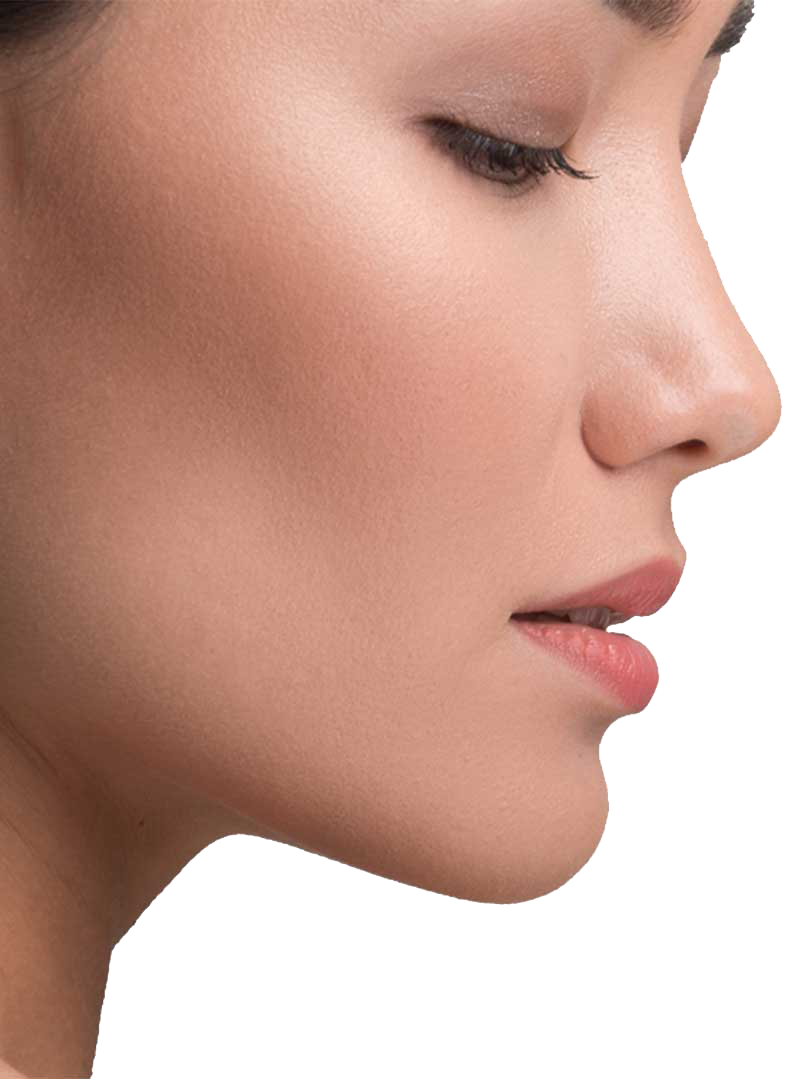
Gets rid of that bump in your nose. Restore your natural beauty
Correction of a deviated nose, Improving the shape, Symmetry and airway.
Breathing problems improved, Straightening your nasal septum, Giving you a better night's sleep.
Reshapes your nostrils and straightens your nose
For those who want a shorter, Smaller, Straighter nose with gentle tip elevation.
A rhinoplasty procedure can reduce or increase the size of the nose, change the shape of the nose tip, narrow the width of the nostrils or change the angle between the nose and the upper lip.
Preparing for a rhinoplasty surgery in Bristol
In preparation for your surgical procedure we invite you to have an initial consultation with Paul to ensure you are an appropriate candidate for this procedure. Your initial consultation may be via Zoom, especially if you live far away, or you may book straight in for a face to face consultation lasting 45 minutes.
In preparation for your consultation, we will ask you about your reasons for seeking aesthetic surgery, what it means to you and how it will impact upon your life. We will also ask you about your past medical history and social history.
You will be examined, in the presence of a chaperone, and pre-operative photographs will be taken with your consent. For certain procedures, 3D pictures are also taken.
We will ensure that you are fully informed about your nose reshaping in ample time, with a cooling off period for you to digest the information given to you, and time to ask as many questions as you like.
It is not unusual for a patient to have two or three consultations prior to their planned procedure.
Further information relating to your procedure is found on this web page.
The hospital where you will have your procedure will also undertake a pre-operative assessment.
Currently, this will also include a COVID test within 5 days of your procedure.
It is important to stop any medications which thin the blood prior to your procedure. You will be
guided on this. You must also stop any herbal remedies, vitamins and supplements 2 weeks prior to your operation to reduce the risk of bleeding.
Most procedures including those for breathing difficulties, are performed under a general anaesthetic, or sedation. You must not eat or drink for 6 hours prior to your procedure. Sips of water may be taken up to 2 hours before.
You will be brought in to hospital 1-2 hours prior to your operation, at which point you will be seen by the nursing staff, anaesthetist and surgeon.
It is common practice with plastic surgeons to complete the informed consent process prior to your hospital visit, and ensure you have been informed about all of the material facts relevant to your surgery. You will be fully informed of the risks and complications of the surgery, and the financial implications of any revision rhinoplasty surgery required.
Surgery may be as a day case or you may be required to stay overnight in hospital.
Book consultation
Recovering from a rhinoplasty surgery
When you wake up after your nose reshaping surgery there will be small packs in each nostril so you will have to breathe through your mouth until the next morning when they will be removed. If the bones in your nose have been moved you will also have a plaster of Paris cast on your nose job, which will stay on for a week.
Recovery from rhinoplasty is quite quick but the nose reshaping will feel fragile for a month or so and you will need to take things easy. The nasal bone only take 2 to 3 weeks to heal up but the swelling is the main effect of rhinoplasty surgery that you will notice. The amount of swelling and black eyes a patient gets varies considerably. It starts to go down very quickly at first but the rate slows down and the last little bit of swelling may take up to a year to settle. You should, however, notice an improvement straight away and you should be presentable after 10 days or so.
Watch the Treatment
The Results
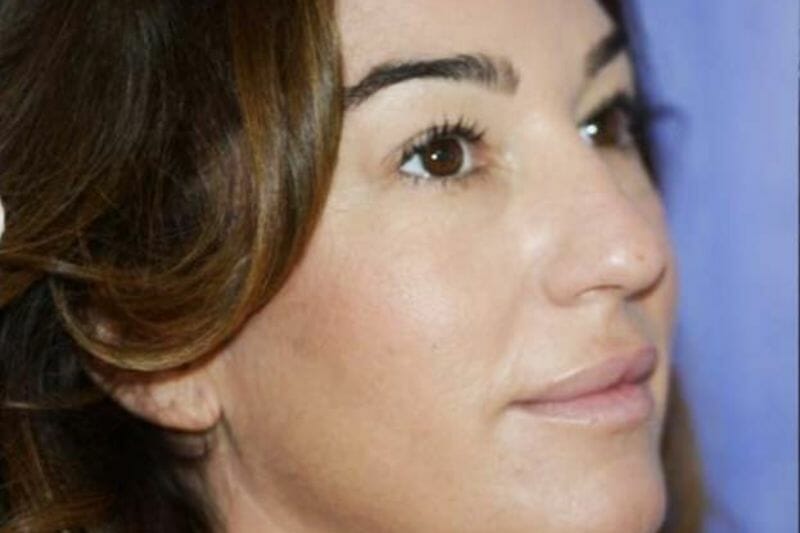
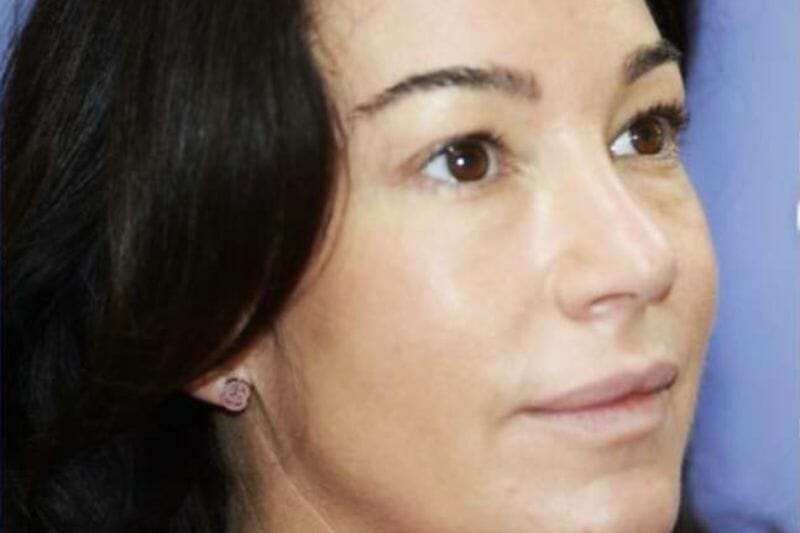
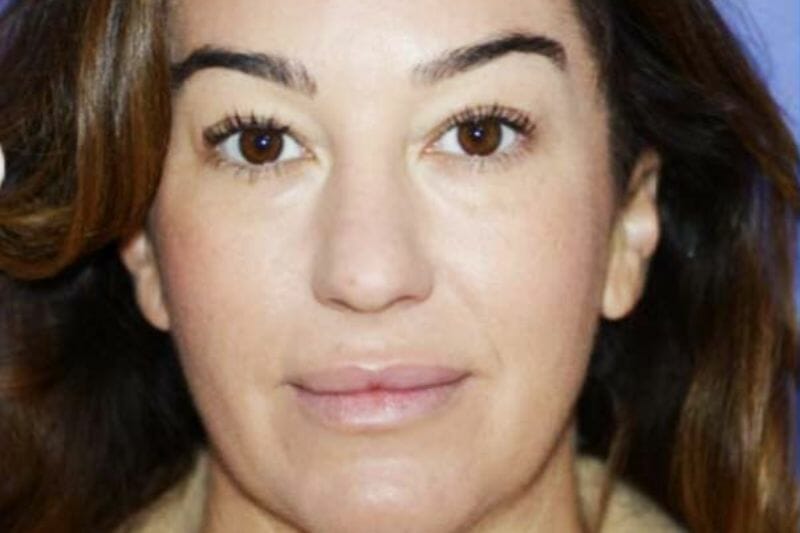
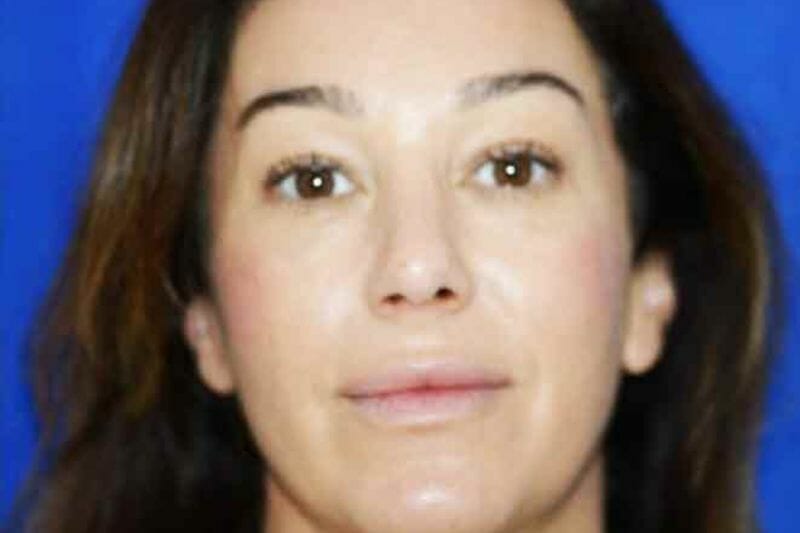
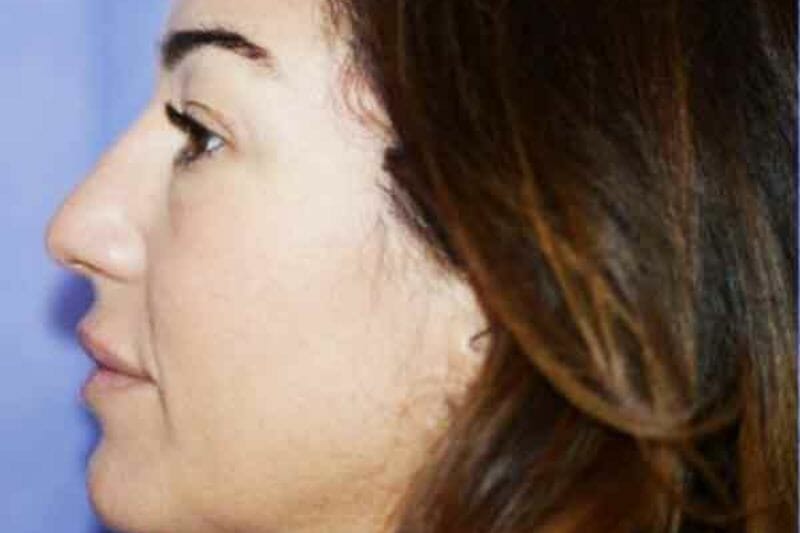
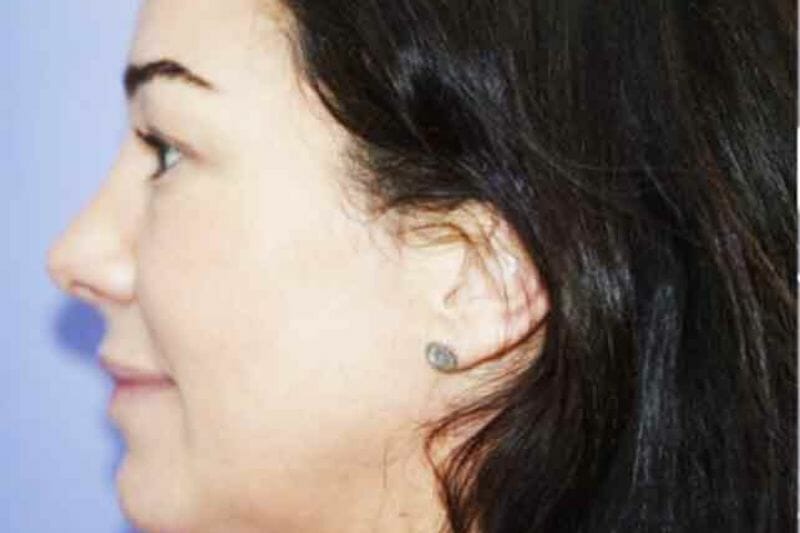
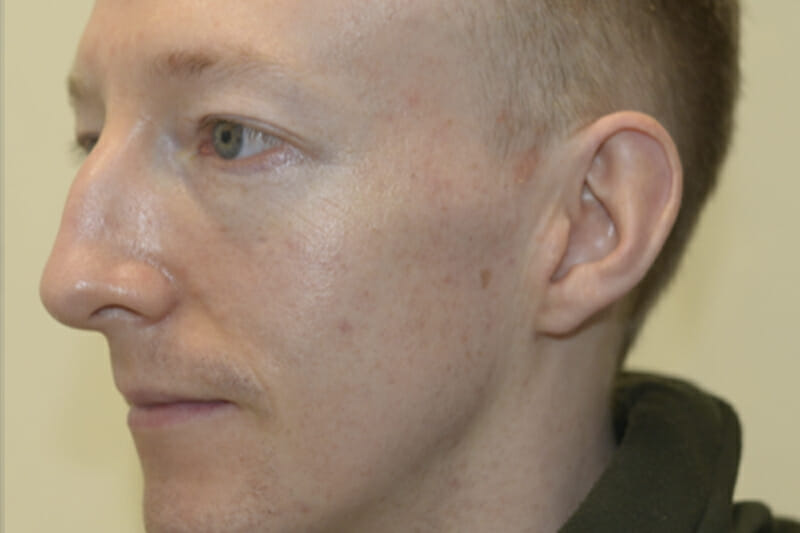
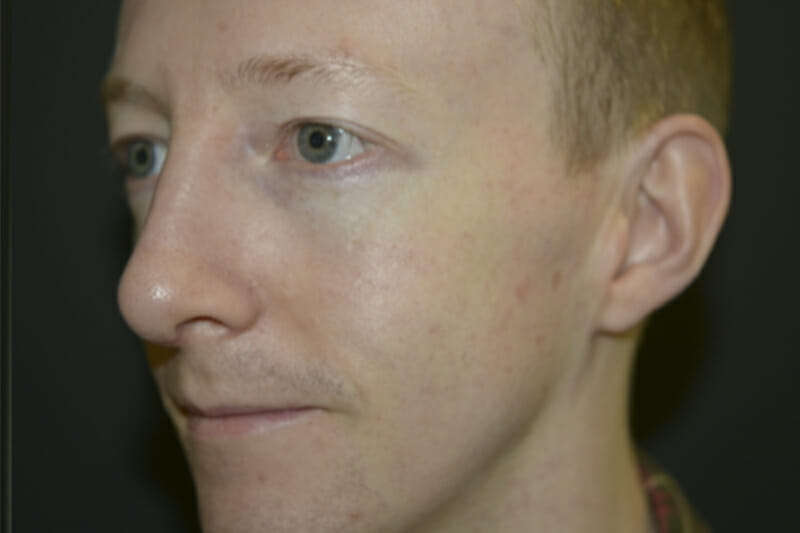
I am incredibly pleased with the result of my rhinoplasty. The care I have received from Mr Wilson and his team has been and continues to be fantastic.